


The Youth Goalkeeper Neglect: Why Team Training is Failing the Modern GK

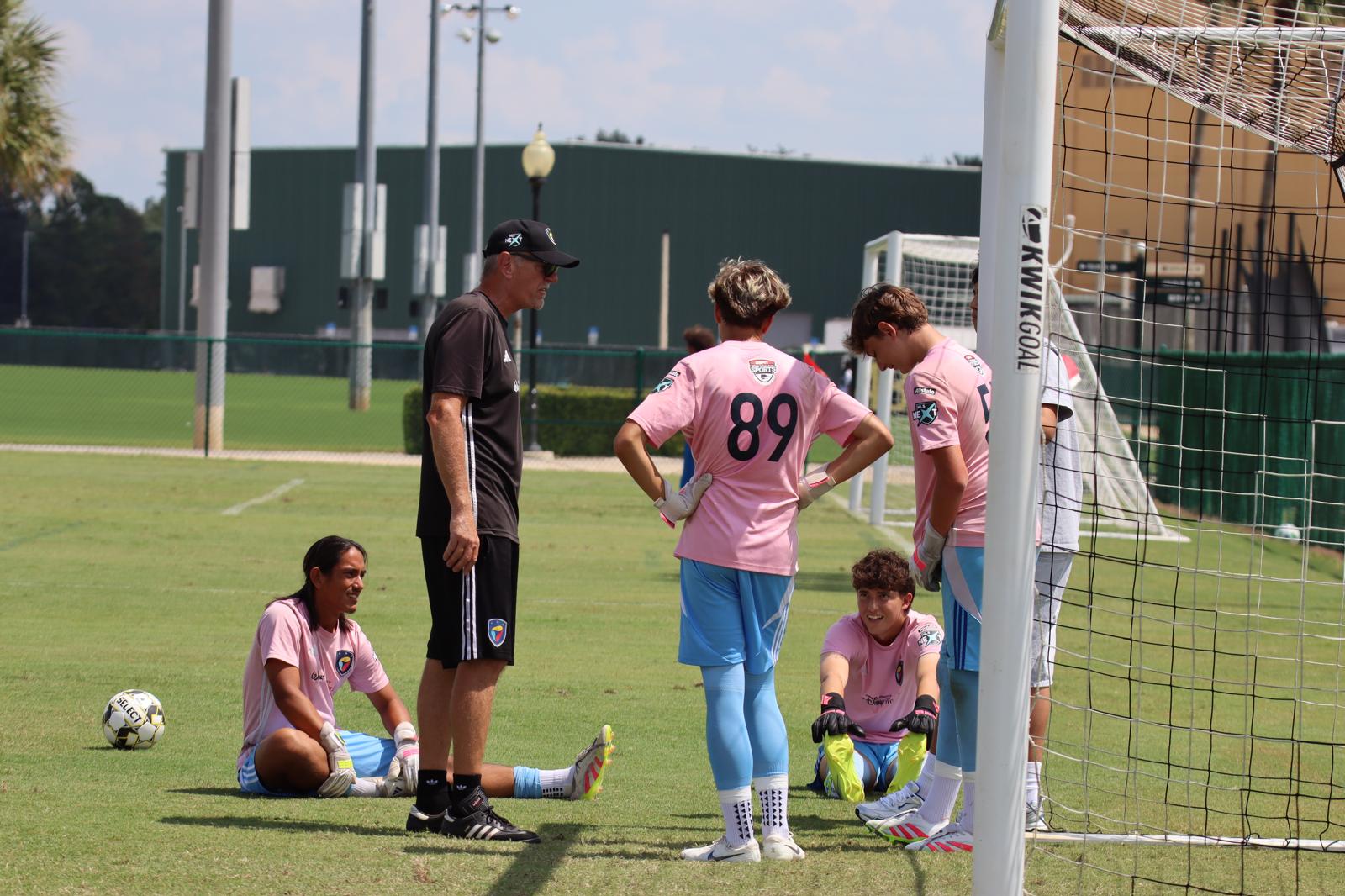
As the Academy Goalkeeper Director at IdeaSport at ESPN in Orlando, I am proud to say we have built a structure where the typical failures of youth goalkeeper development simply do not happen. Our club has made massive, intentional investments to establish a complete professional ecosystem—featuring a dedicated team of pro-goalkeeper coaches and full-time physical trainers on-site.
Because of this structure, our keepers don’t wait for a weekly clinic, and they are never treated as an afterthought. They have elite, direct instruction at every single session to bridge the gap between isolated footwork and real-game integration, while working with performance trainers to build explosive athleticism.
Unfortunately, this environment is a rarity. As professional and collegiate coaches, we all see the exact same flaw when young players or incoming freshmen walk onto our pitches: they might be decent shot-stoppers, but their footwork, tactical positioning, and physical literacy are years behind.
The reality is that the standard youth soccer infrastructure is fundamentally failing the position:
The “Human Target” Syndrome: During a standard two-hour team session, head coaches frequently delegate GKs to the side of the net just to take a barrage of isolated, unrealistic shots for the field players. There is zero emphasis on footwork, zero integration into tactical buildup, and zero real coaching.
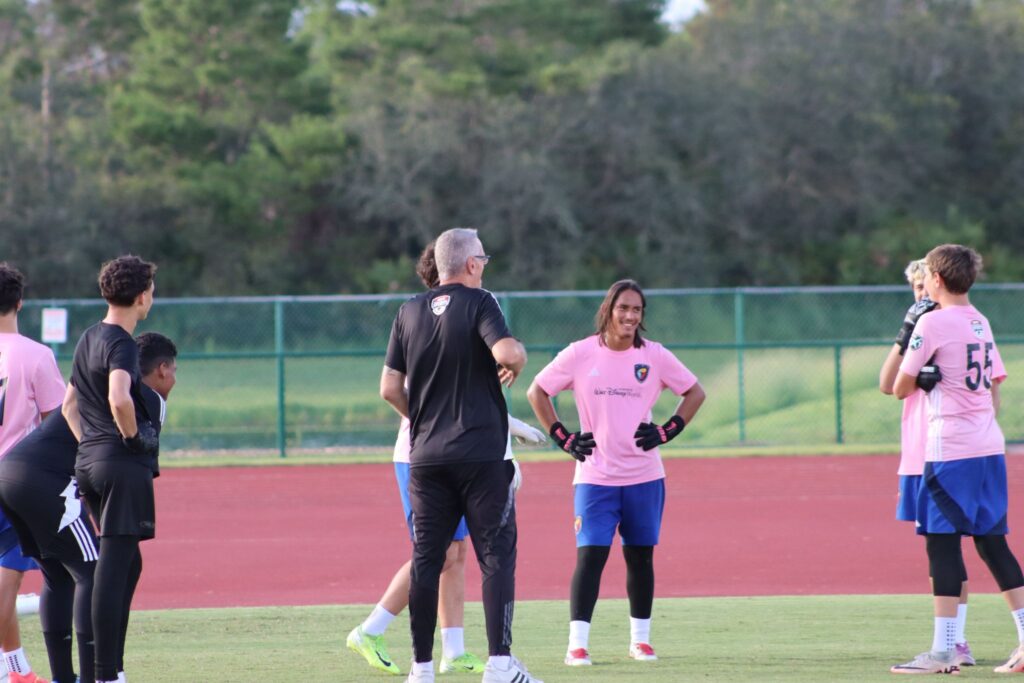
The “Once-a-Week” Band-Aid: Many clubs treat goalkeeper training as a luxury, holding it once a week—if that. This leaves keepers completely isolated from the daily competitive rhythm of the team.
The Physical Gap: Most youth setups completely lack a dedicated sport scientist or physical trainer. Goalkeepers are expected to develop explosive lateral power, elite foot speed, and injury resilience entirely on their own, without professional guidance.
When youth clubs treat the goalkeeper position like a part-time hobby, they produce one-dimensional players who hit a massive wall the moment they step into a college or pro environment.
We cannot expect elite tactical decision-making and flawless footwork from players who spend 90% of their youth careers just standing in a net taking shots. If we want the next generation of keepers to seamlessly transition to the college and professional game, the youth landscape has to change.
It’s time to stop treating goalkeepers like targets and start training them like a part of the team.
#GoalkeeperCoaching #PlayerDevelopment #YouthSoccer #NCAASoccer #ProGoalkeeping #GoalkeeperMethodology #SportsScience #IdeaSport