


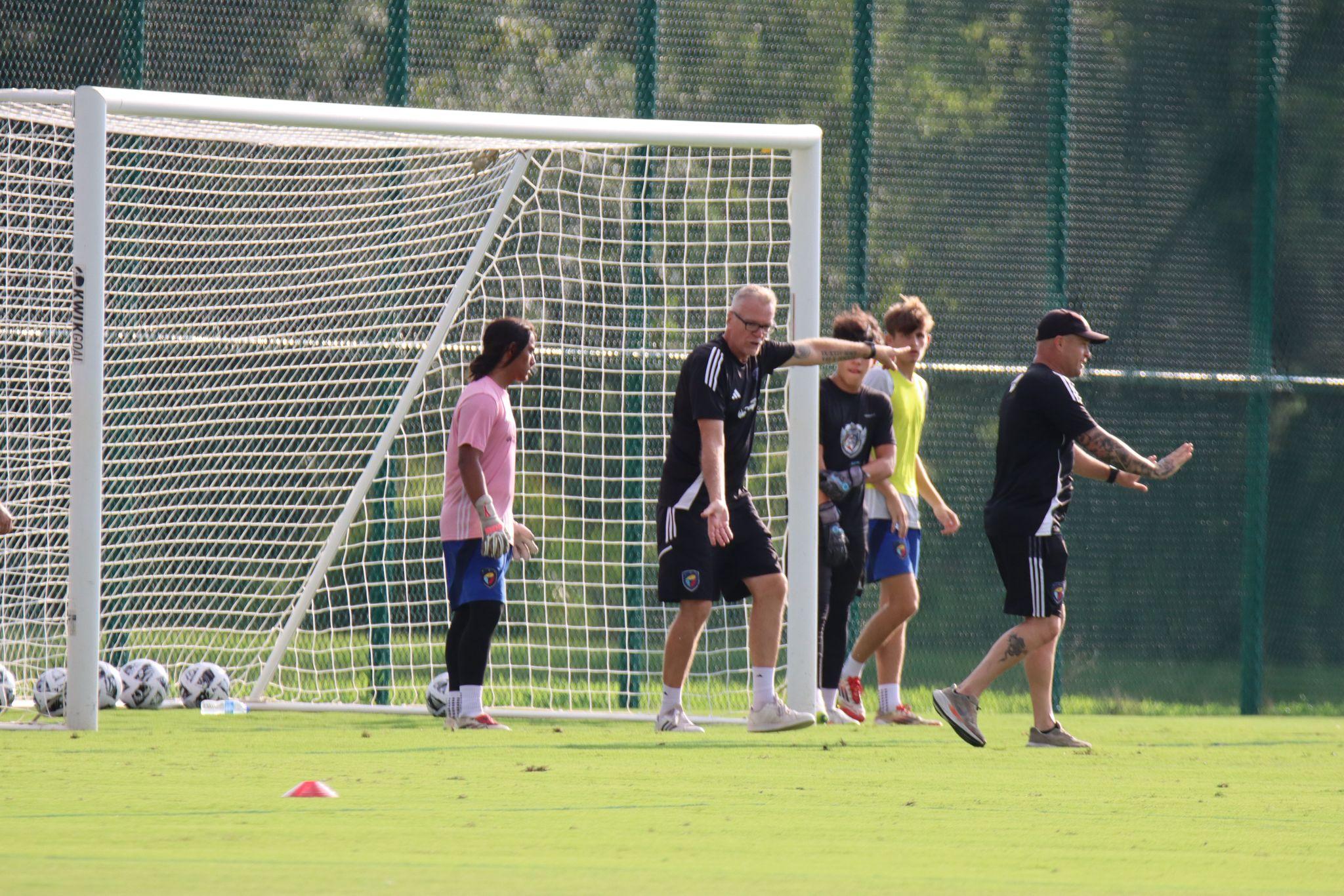
Why Repetitive Goalkeeper Training Drills Don’t Win Matches

When a goalkeeper reaches the competitive travel level, basic ball handling and positioning are no longer enough to win matches. The game is faster, the attackers are smarter, and match-day pressure is relentless.
To reach the next level, goalkeepers don’t need gimmicks, obstacle courses, or endless power-shooting sessions that look flashy but yield zero match results.
They need real, high-level tactical game-situation training.
As a veteran goalkeeper coach who has worked with athletes from young grassroots players all the way to the pros, I built my methodology around one core truth: Goalkeepers must be trained to think, read, and manage the game in real time.
Here is why this exact method delivers results where other training fails.
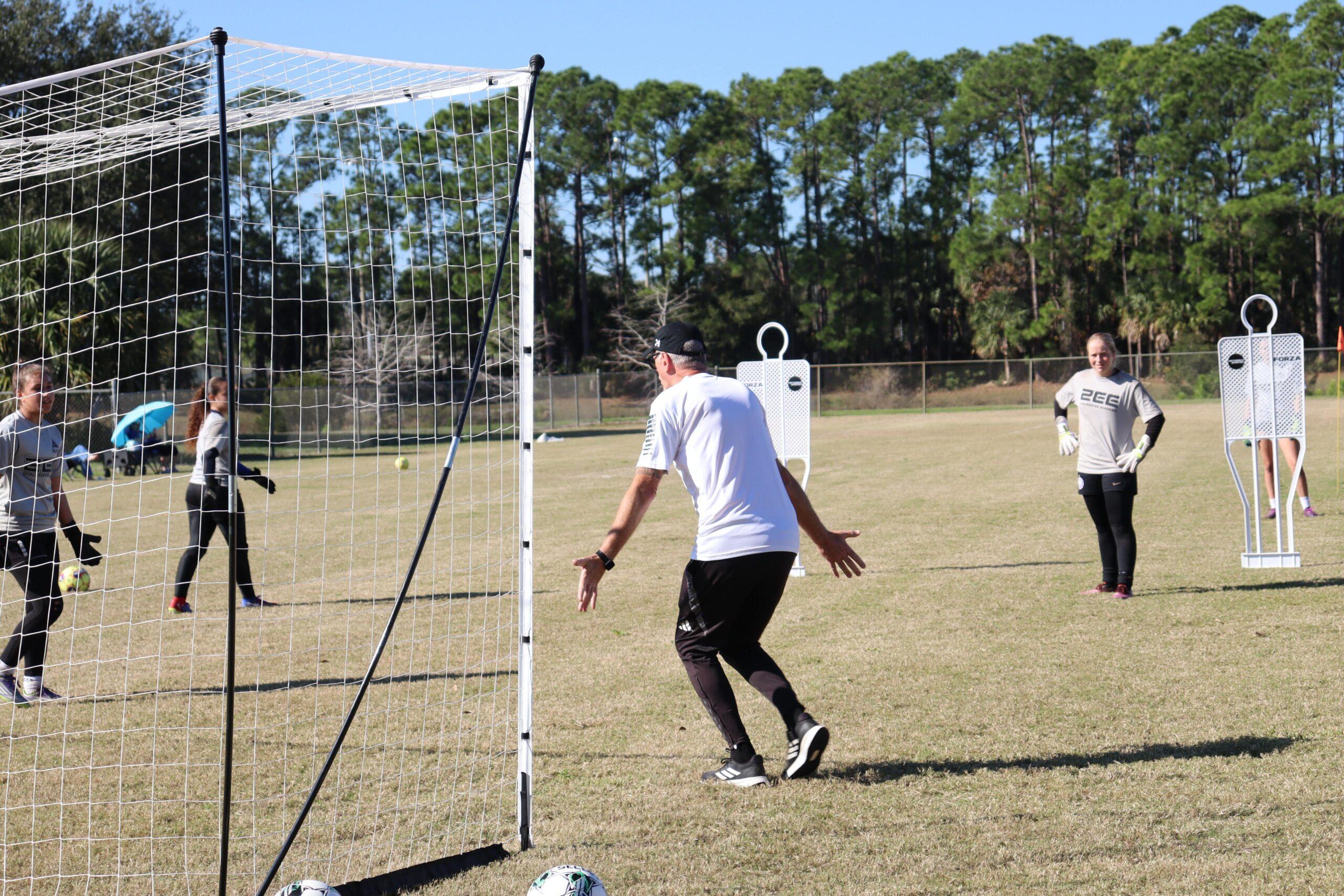
1. It Builds Game-Reading Intelligence (Anticipation Over Reaction)
A shot-stopper merely reacts to where the ball goes. An elite goalkeeper anticipates where the ball is going to go before it is even hit.
In my sessions, goalkeepers are placed directly into simulated match scenarios where they learn to read critical visual cues:
-
Attacker Body Language: Reading the hips, strike leg, and touch of the ball carrier to set feet early and lock in the correct position.
-
Spatial Awareness: Calculating the precise distance between themselves, the ball, and incoming pressure to execute clean 1v1s and cut off through-balls.
-
Match IQ: Understanding the opponent’s options before they take them, turning high-danger situations into routinely managed plays.
2. It Teaches True Command of the Defensive Line
A goalkeeper who only focuses on themselves will spend all day making unnecessary dives. A goalkeeper who commands their defensive line prevents shots from ever happening.
My tactical training teaches goalkeepers how to orchestrate the entire pitch:
-
Directive, Actionable Voice: Teaching exact, concise commands so defenders know instantly where to shift, mark, or step.
-
Backline Control: Training goalkeepers to constantly adjust their defenders to close passing lanes, eliminate high-risk gaps, and force attackers into bad angles.
-
Set-Piece Mastery: Structuring walls, clearing lines of sight, and taking absolute ownership of the penalty box during corners and free kicks.

3. Every Rep Has Purpose, Pressure, and Context
Putting a goalkeeper through endless jumping drills over plastic hurdles or taking random power shots from 10 yards out does not teach them how to win a football match.
In my training environment:
-
Every exercise mirrors a specific, realistic scenario they will encounter on game day.
-
Decisions must be made in milliseconds under actual pressure.
-
Goalkeepers learn the exact “why” behind every decision—when to hold, when to charge, when to reset, and when to launch a counter-attack.
4. It Transforms Goalkeepers into the First Line of Attack
The modern game demands that goalkeepers be comfortable, composed football players with the ball at their feet. Tactical training doesn’t treat distribution as an afterthought—it treats it as an immediate offensive weapon.
Goalkeepers in my program learn to:
-
Handle heavy pressing without panicking.
-
Identify numerical overloads across the pitch.
-
Deliver accurate, intentional passes that instantly launch counter-attacks and catch opponents off balance.
The Bottom Line
Dynamic saves make great highlight reels, but tactical intelligence wins matches, builds unbreakable composure, and gets goalkeepers noticed by top scouts and coaches.
If you want your child to stop relying on luck or raw athleticism and start truly commanding the pitch, they need training that mirrors the demands of the real game.
That is what my tactical game-situation training delivers—and that is why it works.